
Spider Vein diagnosis and treatment
You deserve to love your legs
Spider veins rarely cause pain, but that doesn’t mean they aren’t a thorn in your side. If you’ve noticed spindly veins creeping up to cause discomfort or disappointment, call our doctors to help banish spider veins for good!
What are spider veins?
Spider veins are small, visible surface veins that look like webs on the skin. These veins are often red, blue, or purple and can occur in any area of the body. When they appear most frequently on the legs, they can appear elsewhere and rarely may be a sign of a medical condition called chronic venous insufficiency (CVI).
In many cases, spider veins do not cause any real health problems, but some individuals may experience uncomfortable symptoms such as throbbing and aching. If you experience pain with your spider veins, it could be an early symptom of a varicose vein, and should be properly diagnosed to ensure the correct treatment.

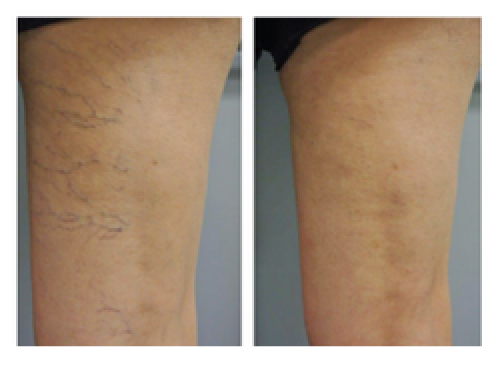
Spider Vein Treatments at Varicose Vein Clinic of Texas
We understand that the presence of spider veins can be both a cosmetic concern and a source of discomfort. Our specialized team of professionals is dedicated to providing comprehensive spider vein diagnosis and treatment options tailored to your individual needs.
Through a combination of advanced diagnostic methods and personalized care, we strive to help you regain your confidence and achieve healthier, more beautiful skin.
Spider Vein FAQ
Most spider veins do not cause pain, so if your spider veins become painful, it is important to have them checked out to prevent any long-term damage to your veins.
Size and Appearance
Spider veins are smaller than varicose veins and often look like thin spider webs or clusters that are red, blue, or purple in color. They form when smaller venous structures, such as capillaries, venules, and arterioles, are damaged. On the other hand, varicose veins are larger, bulge, and can appear rope-like. They typically occur on the calf, the back of the leg, or inside the thigh and can be seen and felt right under the surface of the skin, mostly on the legs, ankles, and feet.Depth
Spider veins are closer to the surface of the skin and supply blood to the skin and other superficial areas. Varicose veins are located deeper and may cause changes in the skin and other health complications over time.Symptoms
Varicose veins can sometimes be asymptomatic, but they are also associated with noticeable discomfort, such as aching, pain, and swelling. Spider veins, on the other hand, are mostly a cosmetic problem and do not typically cause discomfort or more serious health issues.The best way to know if you have spider veins or varicose veins is to consult with a vascular surgeon. These doctors are specifically trained to diagnose and treat vascular issues, and they can guide you through the safest and most affordable treatment options for your needs.
Several factors can contribute to the development of spider veins, including:
Heredity
If other family members have spider veins, you may be more likely to develop them as well.
Hormonal fluctuations
Changes in hormone levels, such as those during puberty, pregnancy, and menopause, or from using birth control pills and other hormonal medications, can affect the development of spider veins.
Obesity
Carrying excess weight can increase the pressure on the veins and lead to vein damage.
Trauma or injury to the skin
Minor injuries or surgeries may precipitate the formation of spider veins.
Prolonged standing
Standing for extended periods can increase the pressure in the veins of the legs, leading to vein damage.
Exposure to heat or cold
Extreme temperatures can affect the blood vessels and lead to spider veins.
It’s also observed that certain lifestyle factors such as prolonged standing and varicose veins can aggravate the condition
Overall, genetic and hormonal factors are significant, explaining why some individuals are more predisposed to developing new spider veins than others.
Spider veins come in various types known by different names depending on their appearance and location. They are sometimes referred to as:
- Thread veins
- Venus flares
- Sunburst veins
- Stellate veins
- Hyphen webs
Each of these names describes the pattern and shape that the spider veins can take on the skin, however, they are all a result of damaged small superficial blood vessels.
Spider veins can be diagnosed through visual examination of the skin, ultrasound testing, or venous mapping to verify the exact source of the veins. Treatment options include sclerotherapy, laser therapy, and surgery, depending on the severity of the condition.
Laser treatments can effectively target small veins, while sclerotherapy involves the injection of a chemical called a sclerosant into the affected vein. This causes the treated vein to collapse and become less visible over time.
Sclerotherapy can also address tiny blood vessels and small varicose veins in the treated areas, but it may require multiple injections at the injection sites. Another treatment option is Endovenous Laser Ablation (EVLA), which uses high-frequency ultrasound and requires local anesthesia. This procedure involves a small incision and utilizes laser energy to target leg veins, causing them to collapse or seal shut.
While these treatments tend to be effective in eliminating spider veins, they may not always alleviate all symptoms associated with spider veins, such as aches, pains, or swelling. Additionally, there is a risk of skin discoloration in the treated area post-treatment in certain cases. Blood clots are another potential risk, although rare. It is important to have a follow-up visit with your doctor to monitor the progress of previous treatments and assess the need for further treatment.
Patients can usually resume normal activities shortly after treatment but may need to wear a heavy compression stocking to support the injected veins and improve circulation. Although laser removal and other methods may be ideal for some, they are not always the most cost-effective choice for all patients. Those seeking more cost-effective solutions may want to explore lifestyle changes, such as wearing support stockings and elevating their legs during the day. These measures can help improve circulation and ease some discomfort associated with spider veins.
Whatever path you choose for diagnosing and treating your spider veins, it’s essential to work closely with your doctor to ensure you understand all your options. This way, you can make an informed decision about the best treatment plan for you. From here, we turn our attention to more cost-effective solutions that don’t require costly medical procedures.